
Media North / All Gold South Africa / Oct 2026 / In-Image AI
How to eat: toast and jamThis article is more than 5 years old
It is the simplest of comfort foods, but does the strawberry topping deserve its popularity? Which bread is best? And how should we punish those who get butter in the jar?
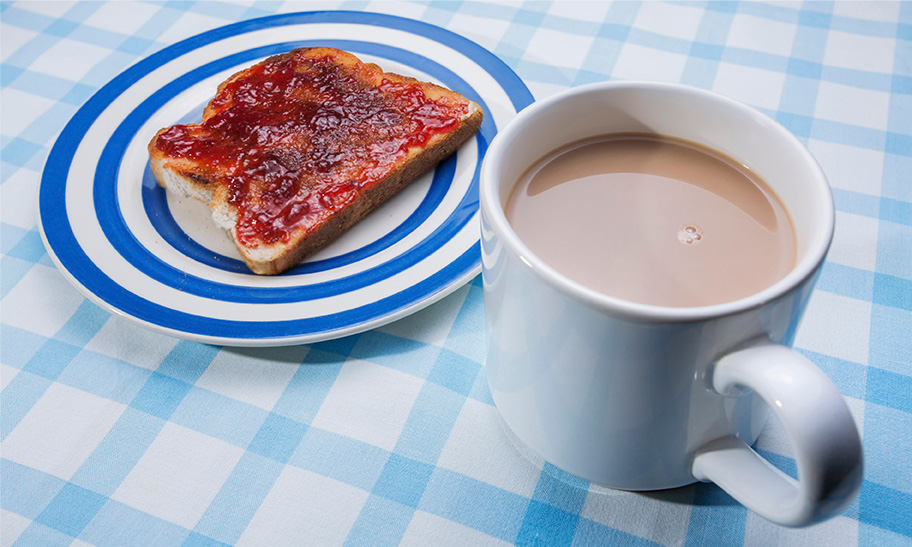
Politically, it is said, Britain tolerates endless promises of jam tomorrow, never demanding jam today. But now the country has seized its own destiny – at least in the literal matter of jam.
Rewind to 2019 and jam was over. Dying. In terminal decline. Jam was as cool as a tweeting a laugh-cry emoji about the state of Kings of Leon’s skinny jeans. But, during the pandemic, jam has enjoyed a dramatic revival. “Breakfast has been reborn,” trilled the Grocer magazine as it reported jam sales had increased in value by almost 23% last year.
In many ways, this is no surprise. Porridge will have played its part; baking, too. But a lot of that growth will be down to the fact that toast and jam – the subject of this How to Eat (HTE) – is a remarkable antidote to the gloom and exhaustion of lockdown. On the overcast, rain-lashed winter-spring mornings and afternoons of our perpetual pandemic incarceration, toast and jam can do a lot of heavy lifting. For a moment, real life melts away.
But that is true only if that jam is tight and the toast is right. That is where HTE – the Guardian’s most power-mad, pernickety food guide – comes in. Put the kettle on, Britain: this one matters.
Apparatus maintenance
Ever wondered why Britain is not a socialist utopia? Look at how people treat one another through the prism of toast, butter and jam. In any communal dwelling, the experience is soured frequently by selfishness: crumbs left in butter; toaster settings tinkered with; more crumbs on worktops; a token, useless smear left in the butter dish; and, most heinous of all, butter knives scraped on to the lip of the jam jar until it looks like a hazardous laboratory sample. Is that butter or bacterial growth floating in there? Is that … mould?